








Sport Betting – Introduction and Basics
Sport betting is the activity of placing wagers on the outcomes of sports events. It blends statistics, psychology, and risk management, and it has grown into a regulated, accessible activity for many fans. At its core, betting odds tell you how likely an event is and how much you can win relative to your stake. A bookmaker or betting exchange provides lines, sets the odds, and accepts wagers while aiming to balance action on all possible outcomes. For beginners, it helps to understand common bet types, how to read lines, and basic bankroll principles. With responsible planning and practice, sports betting can add excitement to watching games while staying within your means.
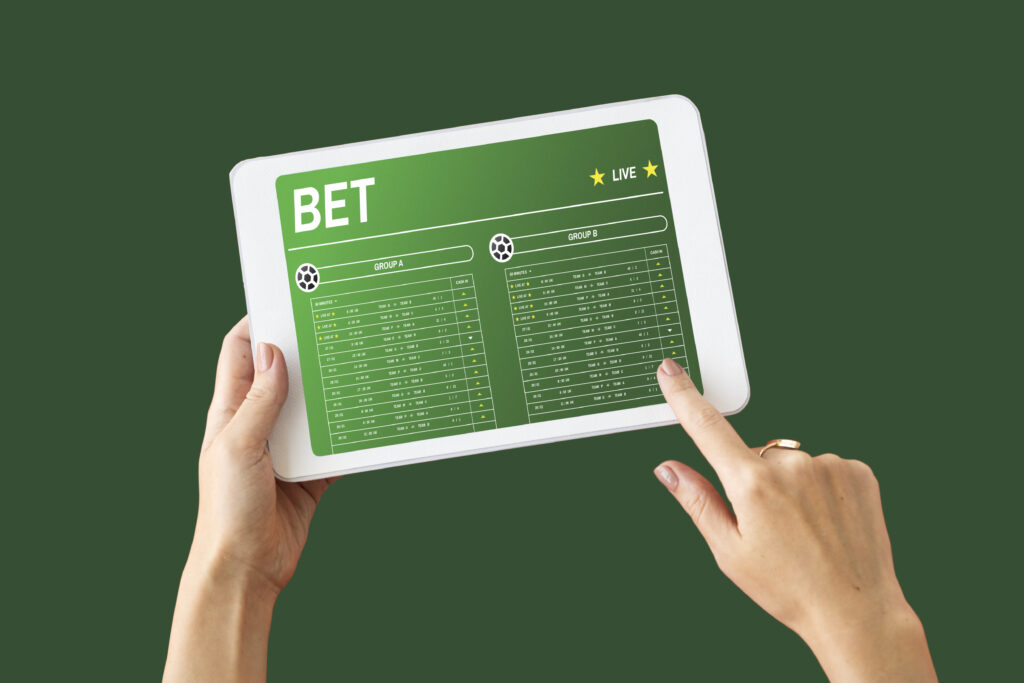
What is sport betting?
Sport betting is the act of placing a wager on the outcome of a sporting event or on a specific statistic within a game. Wagers can be placed on who will win, by how much, or on more granular events such as player performance, scores, or game length. The central idea is that each possible result has odds attached, which express the expected payout relative to the stake. Those odds also convert into an implied probability, helping bettors compare the likelihood of outcomes against their own assessment. A bookmaker or betting exchange provides the lines; bookmakers set the initial odds, and a large amount of action from bettors can move those lines to balance risk. When you place a bet, you risk a portion of your bankroll in exchange for potential profit, and the math behind the odds determines how much you win or lose. For beginners, it’s important to distinguish between wagering concepts and strategy: understanding the three main formats of odds (decimal, fractional, and American) and knowing how to read them is foundational. It’s also essential to practice bankroll management, only risking what you can afford to lose, and to avoid chasing losses. Most bettors start with a few basic bet types such as moneyline bets, which simply select the outright winner, or spread bets, which apply a margin. Over time, many bettors diversify into totals (Over/Under), parlays, and prop bets that cover various game aspects. Successful beginners focus on value—finding bets that pay out at odds higher than their estimated probability—and they track results to learn which strategies work best for them. Finally, stay mindful of legal and tax considerations in your region, and choose reputable online sportsbooks with clear terms, fair odds, and solid customer support. Remember, the goal is to have informed fun while protecting your financial health.
How odds work
Table below compares decimal, fractional, and American odds using real world examples to illustrate the relationship between payout and implied probability. Understanding the formats is essential for converting odds into potential returns. The following values demonstrate common scenarios:
| Bet | Decimal Odds | Fractional Odds | American Moneyline |
|---|---|---|---|
| Underdog – example A | 2.50 | 3/2 | +150 |
| Balanced pick – example B | 1.91 | 10/11 | -110 |
| Favorite – example C | 1.40 | 2/5 | -250 |
| Long shot – example D | 4.00 | 3/1 | +300 |
Understanding these formats helps you convert odds to potential payouts and to compare lines across bookmakers. Decimal odds are straightforward: multiply your stake by the decimal to find total return. Fractional odds show your potential profit relative to stake, and American odds indicate how much you must risk to win 100 dollars or how much you win on a 100 dollar stake. Open lines move with action, injuries, and information, and you should monitor lines across reputable sportsbooks to find favorable value. Keep in mind that the implied probability behind each line is market-based and can reveal value when your own assessment differs.
Common bet types
These are the main wager varieties you will encounter as you start betting on sports. Each type has its own risk-reward profile and strategic use.
- Moneyline bets involve choosing the outright winner of a game, with odds reflecting perceived chances; a simple yes/no decision that does not account for margins.
- Point spread bets require predicting a margin by which the favorite must win or the underdog must stay within the line.
- Over/Under bets project whether total points will be higher or lower than the set line, highlighting pace, defense and game tempo.
- Parlays combine multiple selections into one wager, offering higher payouts but requiring all legs to win; risk multiplies with each added leg.
- Prop bets focus on specific events within a game, such as player statistics or team milestones, providing variety beyond straightforward outcomes.
- Futures bets speculate on outcomes long before a season ends, like championships or awards, often requiring patience and discipline due to time horizons.
- Live or in-play bets let you wager during the game as momentum shifts, demanding quick judgment and constant line monitoring.
Understanding these types helps you pick strategies and manage risk across different games and leagues. Start with a few types you understand and expand as you gain experience.
How to read betting lines
Reading betting lines involves interpreting the numbers that bookmakers publish for a given game. A line is essentially the bookmaker’s forecast of expected results and the odds you must risk to win a certain amount. Lines include the point spread, which is a virtual margin added to the underdog or subtracted from the favorite, and the total, which is the combined score that bettors bet over or under. In addition to these, the moneyline shows the outright winner with either a positive or negative odds figure, reflecting underdog or favorite status. When you study lines, you also notice the juice or vigorish—the house commission built into the odds, which affects your true return over many bets. Opening lines are set with initial expectations, then move based on public action, injuries, weather, and late information. You should watch how lines move and how that movement corresponds to probability and value. For example, a favorite might open at -200 moneyline (a decimal around 1.50), which implies a roughly 66.7% chance, but if the line shifts toward -150 as more money comes in, the implied probability drops slightly and value can emerge elsewhere. If you prefer totals, you’ll see a line like 48.5 points; betting the Over means you expect more scoring, while Under suggests a slower game. Finally, always compare lines across reputable bookmakers to find the best value; small differences can accumulate into meaningful long-term results. Practice by taking notes on line changes, why they happened, and how your assessment compared to the published numbers. The more you study, the better you’ll become at distinguishing favorable odds from unfavorable ones. Keep a notebook of your bets and the lines you considered, then review your decisions after results are known. This habit helps you identify biases and improve long-term decision making.
Key terminology and glossary
Odds and payouts are central ideas; there are several formats. Decimal odds show the total return per unit staked, so a $1 bet at 2.50 pays $2.50 if you win. Fractional odds express profit relative to the stake, such as 3/2 meaning you win 3 for every 2 staked, plus your stake back. American moneyline odds indicate how much you must risk to win $100 (negative values) or how much you win on a $100 stake (positive values). A bookmaker is the operator who sets lines and accepts wagers, while a wager is the act of placing a bet. Bankroll refers to the total amount you have set aside for betting, and bankroll management is the discipline of sizing bets to protect that capital over time. A unit is a fixed fraction of your bankroll used to standardize stake size across different bets. Value bets occur when the odds offered imply a higher probability of an outcome than your assessment suggests. A parlay combines several bets into one, increasing potential payout but every leg must win. Live or in-play betting lets you place bets while a game is ongoing, often with rapidly changing lines. Prop bets cover specific events within a game, and futures bets forecast long-term outcomes like championships. Responsible gaming and awareness of tax and legal rules are important, too.

Features, Benefits, and Specifications
Sport betting is a structured activity where you wager on sports outcomes using odds set by bookmakers. Understanding how these odds translate into potential profits helps you compare markets and forecast risk. This section introduces core concepts, common bet types, and practical strategies for beginners. You will also learn about bankroll management, live betting options, and how to read betting lines across online sportsbooks. The aim is to provide a solid foundation for engaging with sports betting responsibly and building confidence as you wager.
Why people bet on sports
People bet on sports for a range of reasons, and the activity blends emotion with analysis. For many, wagering adds extra drama to a game, turning a routine matchup into a live narrative with immediate stakes. Others chase the challenge of predicting outcomes and testing strategies against the odds.
Entertainment and social interaction are central to why fans participate in sports betting. Friends compare picks, discuss matchups, and celebrate wins together, which can deepen engagement with teams and leagues. Even casual bettors often savor the process of evaluating teams, players, and circumstances before placing a wager.
Some bettors aim to turn sport betting into a profitable activity, using handicapping, data analysis, and disciplined wagering to find value. The odds reflect probabilities, margin, and market sentiment, so profitability often requires a disciplined approach rather than luck. Beginners should focus on learning core concepts such as moneyline, point spread, and over/under before expanding to parlays and props.
In addition to potential returns, responsible bettors manage risk through bankroll strategies, stake sizing, and performance tracking. Reading betting odds across different bookmakers helps you spot value and understand line movement. Early exploration with low stakes and clear records builds confidence and reduces emotional decision-making.
Ultimately, sport betting is a learning process that rewards patience and focus on fundamental skills like wagering concepts, betting lines, and the psychology of risk.
| Casino | Category / Game Type | Description |
|---|---|---|
| NV Casino | Slot Machines | Modern slots with 3D graphics, progressive jackpots, and cinematic themes, ideal for quick sessions and instant wins |
| Prank Casino | Table Games | Blackjack, roulette, baccarat, and poker with international variants and strategic gameplay options |
| Aphrodite Casino | Live Casino | Real-time tables with live dealers, HD streaming, and interactive gameplay experience |
| 888 Casino | Skill Games | Bingo, keno, and scratch cards with instant rewards and chance-based mechanics |
| Mr Green | Themed Slots | Games inspired by classical and modern cultures with licensed content and innovative themes |
| Unibet Casino | Full Offering | A complete gaming ecosystem combining tradition and innovation for different player types |
Benefits of responsible betting
Responsible betting is about discipline and awareness of risks that keep wagering enjoyable over time.
- Implement a bankroll plan that allocates a fixed percentage of funds to each bet, helping manage risk and protect long-term viability during drawdowns and unpredictable results.
- Set realistic win goals and loss limits, so decisions follow rules rather than emotions, which preserves discipline during winning streaks and rough patches alike.
- Keep a betting log to review performance, identify successful handicapping methods, and reduce bias by reflecting on why bets won or lost.
- Avoid chasing losses by resisting the urge to place large bets after a streak, and instead diversify across markets to balance risk.
- Use built-in responsible gaming tools, such as time limits and deposit caps, to maintain control while enjoying the activity and protecting personal finances.
With these practices, bettors can enjoy sport betting with reduced risk and greater longevity.
Where to place bets: bookmakers vs exchanges
Both bookmakers and exchanges offer distinct advantages, so understanding the trade-offs helps you select the best fit.
| Feature | Bookmaker | Betting Exchange |
|---|---|---|
| Odds formation | Provider sets fixed odds, customers bet against the house. | Market-driven odds that shift with demand and liability. |
| Fees and commissions | No commission on most bets; some sites charge when taking certain markets. | Commission on profits, typically a percentage of winnings from matched bets. |
| Market liquidity | Strong in popular sports, but niche markets can be limited. | High liquidity for top events; exposure varies by market and time. |
| Bet types | Fixed-odds bets, including moneyline, spreads, totals, and props. | Allows lay bets and back bets; extensive choice and flexibility. |
| Cash-out and in-play | Standard cash-out options vary by operator. | Often superior cash-out and in-play features due to real-time matching. |
Your choice depends on how you value transparency, potential savings, and the ability to hedge bets. Always compare odds and fees across platforms to maximize value.
Key features to look for in a sportsbook
Selecting the right sportsbook begins with usability. The interface should be intuitive, fast, and responsive on desktop and mobile, because smooth navigation makes it easier to find markets, read odds, and place bets with confidence.
Look for multiple odds formats such as decimal, American, and fractional, which helps you compare lines across bookmakers and understand potential payouts.
Live betting options enhance in-play engagement, but require fast updates, reliable streaming, and a robust cash-out system to hedge positions if the game shifts unexpectedly.
A broad market offering should include moneyline, point spread, and over/under bets, plus parlays, round robins, and a solid menu of prop bets and futures.
Promotions can boost value, yet it is vital to read terms, compare fees, and rely on reputable platforms with clear terms and strong security.
Bankroll tools, deposit limits, and responsible gaming settings help you monitor activity and stay within budget, while detailed bet history supports ongoing improvement.
Reading betting odds across bookmakers, understanding handicapping language, and practicing with small stakes builds confidence before committing larger wagers. In addition, explore live betting tips and strategies to adapt to changes during games.
Security and licensing should be non-negotiable; verify regulatory oversight, strong encryption, and reliable customer support channels.
User reviews, sportsbook ratings, and withdrawal speed are practical indicators of quality.
Finally, compare bookmakers on odds competitiveness, live betting presence, prop bet availability, and loyalty rewards to find a long-term partner.

Security, Compliance, and Reliability
Sport betting is a structured form of wagering on athletic events where odds determine potential returns. It combines research, strategy, and responsible bankroll management to create a balanced betting experience. Understanding how bookmakers set odds, what different bet types mean, and how to compare operators is essential for beginners. This section explains licensing, security, responsible gambling, and reliability so readers can bet with confidence on legitimate platforms.
Licensing and regulation explained
A licensing framework is the backbone of a safe online betting ecosystem. Regulatory bodies grant operating licenses only after assessing a sportsbook’s financial stability, governance, customer protections, and ongoing compliance. For bettors, licensing matters because it means the operator has met minimum standards for advertising, fair play, anti-money laundering controls, and dispute handling. In many regions, the most visible regulators include the United Kingdom Gambling Commission (UKGC), which enforces strict rules on player safety, responsible gambling, and transparent terms; the Malta Gaming Authority (MGA), known for its comprehensive licensing framework and independent audits; and the Gibraltar Regulatory Authority alongside other well established jurisdictions such as the Alderney Gambling Control Commission. While some markets still rely on licenses issued by smaller authorities, those operators must demonstrate robust security, financial integrity, and clear complaint routes to win trust. Licensees are required to maintain segregated client funds, implement AML and KYC procedures, and cooperate with enforcement agencies to detect suspicious activity. In addition to national regulators, independent testing labs and auditing firms periodically verify random number generators and payout percentages, reinforcing fairness claims. For beginners, checking the operator’s license number and the regulator’s official stamp on the site’s footer or about page is a simple but important habit. It confirms the operator operates under a recognized regime and adheres to ongoing monitoring. However, licensing alone does not guarantee flawless service; reputable operators pair regulatory compliance with transparent terms of service, accessible customer support, and a clear mechanism for resolving disputes. It is also wise to review where the operator holds cross-border licenses, and whether they participate in self-exclusion programs and player protection initiatives. When you compare bookmakers, prioritize those with active regulators, publicly available financial disclosures, and a track record of handling complaints responsibly. By understanding licensing, bettors gain a reliable baseline for evaluating safety, fairness, and the long term viability of platforms they choose to use.
Security measures and fair play
Online betting sites handle sensitive information, payments, and real money transactions, which makes strong security essential. Reputable operators deploy advanced encryption such as TLS 1.2 or higher to protect data in transit and use robust server hardening to reduce exposure. Data privacy policies outline what information is collected, how it is stored, and how it is used, with a clear commitment to not sharing personal details with third parties without consent. Payment processing must comply with industry standards such as PCI-DSS for card data and secure wallet integrations, while two-factor authentication adds a second layer of protection for login and withdrawal requests. To ensure fair play, accredited testing laboratories perform regular audits of random number generators and payout algorithms, verifying that results are unbiased and reproducible. Independent fairness assessments, audit reports, and ongoing monitoring by regulators help detect anomalies and protect players from fraud. Fraud prevention measures include real-time activity monitoring, device fingerprinting, velocity checks on bets and withdrawals, and strict identity verification during account creation. For bettors, security also means reliable customer support, transparent dispute procedures, and clear guidance on reporting suspicious activity. Operators should publish security certificates, encryption standards, and incident response plans so players can assess resilience. Finally, responsible design choices—such as secure account lockouts after failed logins and clear warnings about sharing credentials—reduce risk even further. By combining encryption, verification, and ongoing assurance activities, legitimate sportsbooks create a resilient environment where players can focus on enjoying betting activities with confidence.
Responsible gambling and player protection
Responsible gambling is a cornerstone of reputable betting platforms. It involves tools and policies that help players stay in control and avoid problem gambling tendencies.
- Establish a strict wagering limit based on your bankroll, and monitor deposits and losses to avoid rapid, impulsive bets that erode funds.
- Practice responsible bet sizing by keeping wagers small relative to your bankroll, focusing on long-term profitability rather than chasing big wins.
- Use only licensed betting sites with transparent odds and clear terms, ensuring you can verify licenses, payouts, and customer support when needed.
- Seek information on prop bets and live markets to diversify strategy, while avoiding high-risk bets that lack sufficient data or hedging options.
These protections are complemented by self-exclusion options, reality checks, timeouts, and clear support resources from licensed platforms. Regulators and operators continually refine these tools to promote safer wagering behavior and help players maintain a healthy relationship with betting.
Reliability: uptime, payout speed, and dispute resolution
Reliability is the platform’s ability to operate consistently and deliver on promises. The most dependable sportsbooks publish public uptime commitments, aiming for 99.9% availability excluding scheduled maintenance. When the site experiences maintenance, customers should receive advance notices and alternatives such as mobile app access or API status pages to minimize disruption. Payout speed is another critical trust signal; reputable operators outline expected processing times for deposits and withdrawals across payment methods, with cashouts often completed within 24 to 72 hours for standard methods and faster options available via e-wallets. Transparent fee policies, verification requirements, and daily withdrawal limits should be clearly communicated to minimize surprises. Operational resilience also depends on infrastructure redundancy, disaster recovery planning, and regular security patching to guard against vulnerabilities. In dispute resolution, trusted bookmakers implement structured processes: a clearly published complaints procedure, response time targets, escalation paths to senior support, and independent review options when necessary. Some operators offer mediation through regulatory bodies or consumer protection agencies if resolution is not achieved. To reinforce trust signals, many operators display licensing numbers, independent audit seals, and links to third party testing labs that verify odds accuracy and payout percentages. Customer support quality is another reliability metric; round-the-clock chat, telephone lines, and regional language support help resolve issues quickly. Finally, bettors should review transfer limits, currency support, and the availability of real-time account monitoring so they can detect unauthorized activity early and take action. In sum, reliability blends strong technical safeguards with transparent financial processes and accessible resolution options, giving players confidence that their bets, funds, and personal data are handled responsibly.

Offers, Promotions, and How to Get Started
Sports betting promotions come from bookmakers aiming to welcome new bettors and reward ongoing activity. Understanding how offers work helps you maximize value while managing risk. Common promotions include welcome bonuses, deposit matches, free bets, risk-free bets, cashback, and loyalty programs. It’s important to read the terms, including wagering requirements, expiry dates, and eligibility restrictions, before you claim any offer. By pairing promotions with solid bankroll management and handicapping skills, you can improve long-term results.
Types of promotions and bonuses
There are several promotion types bookmakers use to attract and retain bettors. These include welcome bonuses such as deposit matches or risk free first bets, which provide extra betting funds or protection on your initial wager. Deposit bonuses may top up your account when you add funds, and ongoing promotions can include free bets, cashback on losses, and loyalty rewards for regular wagering. Odds boosts and price boosts are common promotions that lift the potential payout on selected markets, while parlay insurance protects you if one leg of a multi bet loses. VIP programs offer higher withdrawal limits, personalized offers, and faster support for high volume bettors. It is important to note that most promotions come with wagering requirements, market restrictions, and expiry dates that can affect value. Always read the terms to understand how to clear the bonus, what you can withdraw, and whether winnings from bonus funds are withdrawable. Promotions should be viewed as enhancers, not guarantees, and you should balance them with solid bankroll management and realistic handicapping. Some promotions are time limited and event specific, so keeping an eye on the promotions page and subscribing to alerts can help you catch the best value. Always compare offers across bookmakers, especially for futures bets and parlays, to maximize your overall wagering efficiency. Remember that certain regions have restrictions and some offers are not available to new signups in all markets. In practice, the best promotions align with your betting goals, whether you focus on bankroll protection, mid range stakes, or long term value by taking advantage of favorable odds promotions.
How to evaluate a welcome offer
Start by identifying the bonus amount and how it is split between bonus funds and free bets. Check wagering requirements: the multiplier and whether it applies to the bonus only or also to winnings. Look at the expiry date and the time window to use the bonus funds. Inspect eligibility criteria, including sport restrictions and minimum odds for qualifying bets. Verify the minimum deposit amount and whether any promo code is required. Assess fair value by comparing the potential upside versus the risk of giving up stake or tying up funds. Make sure withdrawals are possible after meeting WR; learn if winnings from free bets are withdrawable and if stake is returned on cash out. Review any caps on winnings or allowed bet types. Finally, consider how the offer fits your betting style: if you prefer quick wins on underdog bets or you plan to use a parlay strategy, ensure the promo supports those moves and does not unduly restrict markets. If the terms are unclear or the WR seems extreme, move to a different offer or set up a reminder to track expiry. In practice, keeping a simple checklist and comparing several offers helps you identify the best value.
Step-by-step: placing your first bet
Step 1: choose a reputable bookmaker and create your account, providing age verification and contact details as required. Step 2: set up security measures, select a payment method, and make your first deposit, noting any minimums and processing times. Step 3: learn the odds format used by the site and how to read common lines such as moneyline, decimal odds, and handicap markets. Step 4: explore the sport and event you want to bet on, review available markets like moneyline, point spread, over/under, and relevant props, then decide the wager type. Step 5: pick your stake, review the potential payout and any promo tied to the bet, and place the bet with a confirm action. Step 6: monitor the bet as it moves, consider cash out options if offered, and track your betting activity in a simple ledger for bankroll management. Finally, plan your next steps by analyzing results, adjusting risk tolerance, and refining staking to maintain a healthy bankroll. Throughout this process apply basic handicapping principles, compare odds across bookmakers for value, and keep liquidity to weather variance. The goal is a sustainable approach that learns from outcomes rather than chasing quick wins, using the betting foundations to understand betting odds and wagering lines.
Common pitfalls and how to avoid them
Common pitfalls include overspending and failing to set a structured bankroll, chasing losses after a bad run, and chasing large parlay bets that require many winners. Another mistake is ignoring the terms of promotions and not understanding wagering requirements, which can trap you into keeping funds you cannot withdraw. Betting too quickly without research or handicapping can reduce your edge; take time to analyze teams, matchups and context. Betting on emotion rather than data or following hype can be costly; use a simple prebet checklist. Not comparing odds across bookmakers can mean missing value; always shop for the best price on a bet. Using complex parlays with many legs increases variance, so limit size or diversify across markets. Failing to manage bankroll leads to blown budgets; set limits, track bets, and defend them. Not using responsible gambling tools or self imposed limits increases risk; take breaks and set daily or weekly quotas. Finally, neglecting to read a bet’s restrictions or market types can result in disqualified bets; take a few minutes to review terms before wagering. By recognizing these traps and building a disciplined routine, you can preserve capital and learn as you go rather than letting luck drive outcomes.
Getting started checklist
Begin by selecting a reputable bookmaker with clear terms and competitive odds. Create an account, complete identity verification, and set up a withdrawal and deposit method you trust. Read the welcome offers and choose promotions that fit your plan, then design a simple bankroll approach with daily or weekly limits. Start with small bets to learn the platform, odds formats, and popular markets. Track results to refine your strategy, and adjust stake levels to protect your bankroll over time.